Quick answer
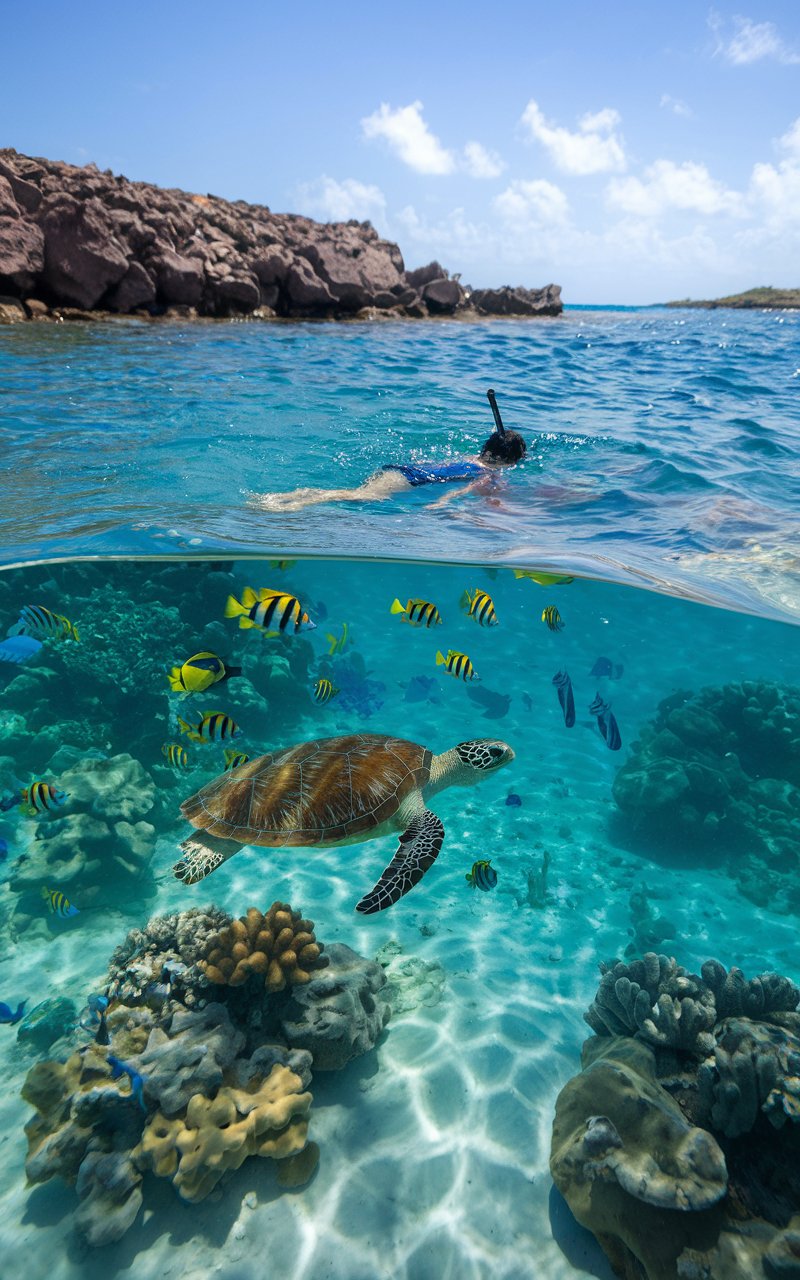
Yes, Aruba offers excellent snorkeling. Visibility regularly exceeds 60 feet along the western coast, and the island's leeward position shields most sites from strong currents. Coral gardens thrive in marine reserves like Mangel Halto and Boca Catalina, where parrotfish, angelfish, and sea turtles congregate in shallow water. Morning hours before 11:00 deliver the clearest conditions, while afternoon trade winds can stir surface chop on exposed stretches.
Aruba sits 15 miles north of Venezuela, planted on a limestone shelf that drops gradually into the Caribbean Sea. This geology creates wide shallow platforms where elkhorn coral and brain coral colonies anchor entire ecosystems within swimming distance of shore. The island's low rainfall and limited river runoff mean sediment rarely clouds the water. Horizontal visibility stays sharp through most of the year, and the absence of plankton blooms keeps the water column clear. Marine reserves established in the early 2000s protect key sections of reef from anchoring damage and overfishing, so fish populations remain dense. Blue tang, damselfish, and trumpetfish move through staghorn thickets, while southern stingrays rest on sandy patches between coral heads. Aruba snorkeling differs from deeper Caribbean destinations in one respect: dramatic drop-offs and pelagic encounters are rare. The island's shelf topography favors gardens over walls, so you trade big-animal spectacle for intimate reef detail. Sites like Arashi Reef and the wreck at Barcadera deliver variety, but depth rarely exceeds 25 feet at recreational snorkel sites. That shallow profile works in your favor when learning to equalize or traveling with children, and it extends bottom time without fatigue. Trade winds blow consistently from the northeast, funneling waves toward the windward coast while leaving the leeward side calm. This split defines where you can snorkel comfortably. Palm Beach and the string of coves south to Spanish Lagoon offer sheltered entry points, while the eastern shore remains rough and unsuitable for casual swimmers. Catamaran operators schedule morning departures to capitalize on glassy water before midday gusts arrive, and that timing aligns with the best natural light for reef photography. Whether Aruba ranks as a top snorkeling destination depends on what you prioritize. If you want guaranteed calm water, accessible reefs, and reliable marine life without needing a boat, the island delivers. If you seek dramatic topography or large pelagics, other Caribbean islands may suit you better.
“Horizontal visibility stays sharp through most of the year, and the absence of plankton blooms keeps the water column clear.”
When Is Aruba Good for Snorkeling? Timing Your Visit
The best arrival window is 09:00–11:00, as morning hours provide the calmest waters and clearest visibility for snorkeling before the afternoon trade winds increase. This window ensures optimal conditions for observing marine life while avoiding the choppy water often found later in the day.
Weekday mornings
Minimal—
These times provide the quietest experience and clearest water visibility.
December to March
HighHigh 70s to low 80s F
Expect peak visitor numbers during these popular winter months.
April to June
ModerateLow 80s F
These months offer a balance of manageable crowds and consistent water conditions.
September to November
LowMid to high 80s F
This period frequently offers lower visitor density and warm water temperatures.
Verdict: The best opportunity for snorkeling is during the 09:00–11:00 arrival window, particularly in April, May, or November when island crowds are lower.
Top Spots Defining Why Is Aruba Good for Snorkeling
Aruba offers distinct underwater environments ranging from historic wrecks to protected coastal lagoons. These sites provide diverse conditions for observing Caribbean marine life.
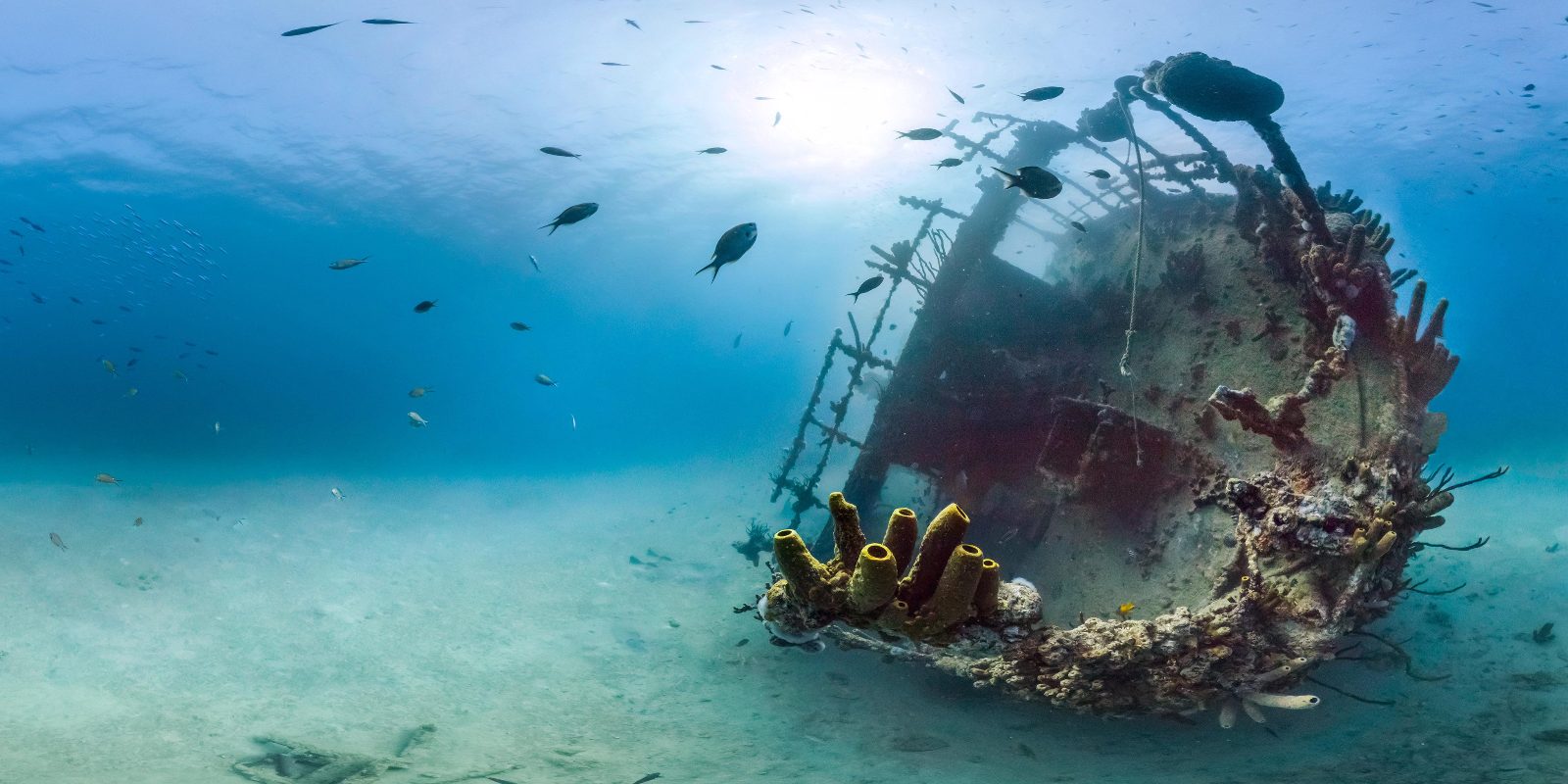
Antilla Shipwreck
This 400-foot German freighter remains one of the largest wrecks in the Caribbean and hosts extensive coral growth.
Look for schools of angelfish near the bow section.
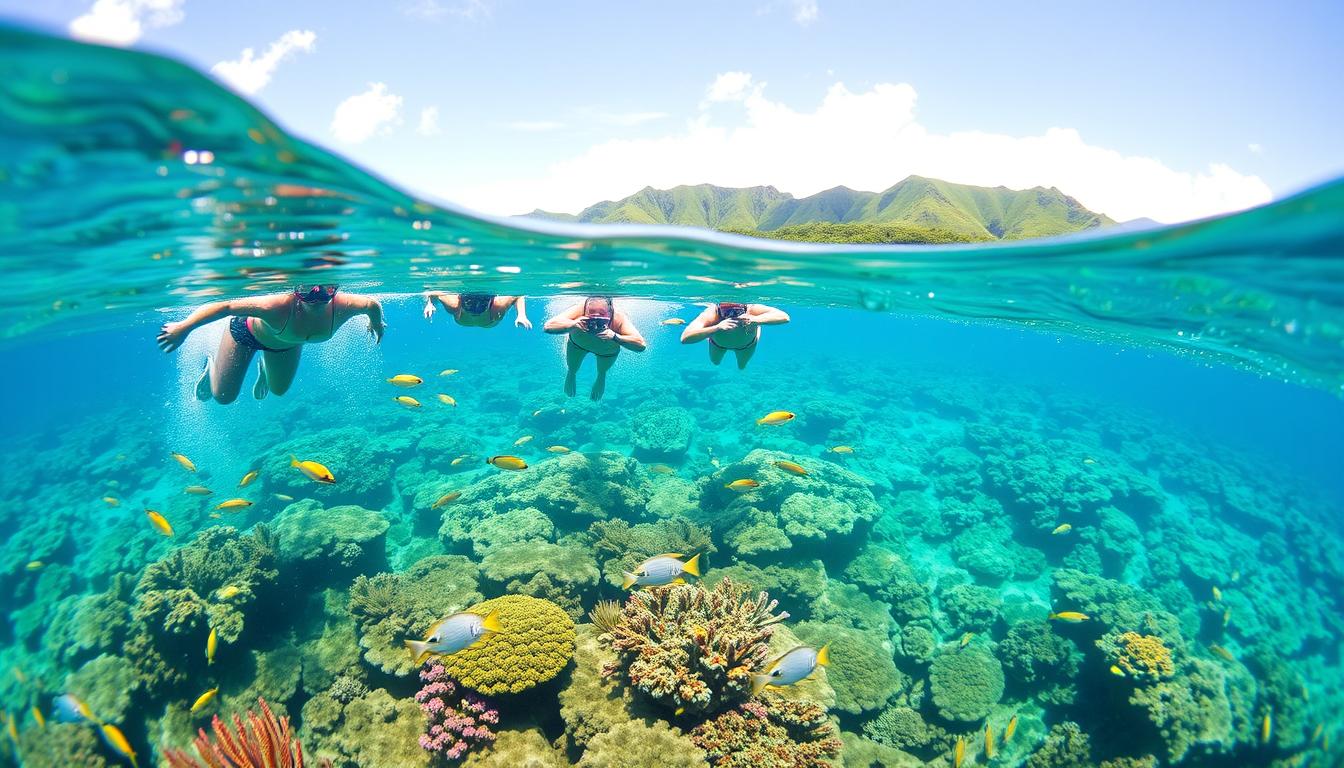
Baby Beach
A shallow, man-made lagoon protected by a breakwater, creating calm conditions for spotting juvenile reef fish.
Stay near the rocky outer edge for clearest visibility.
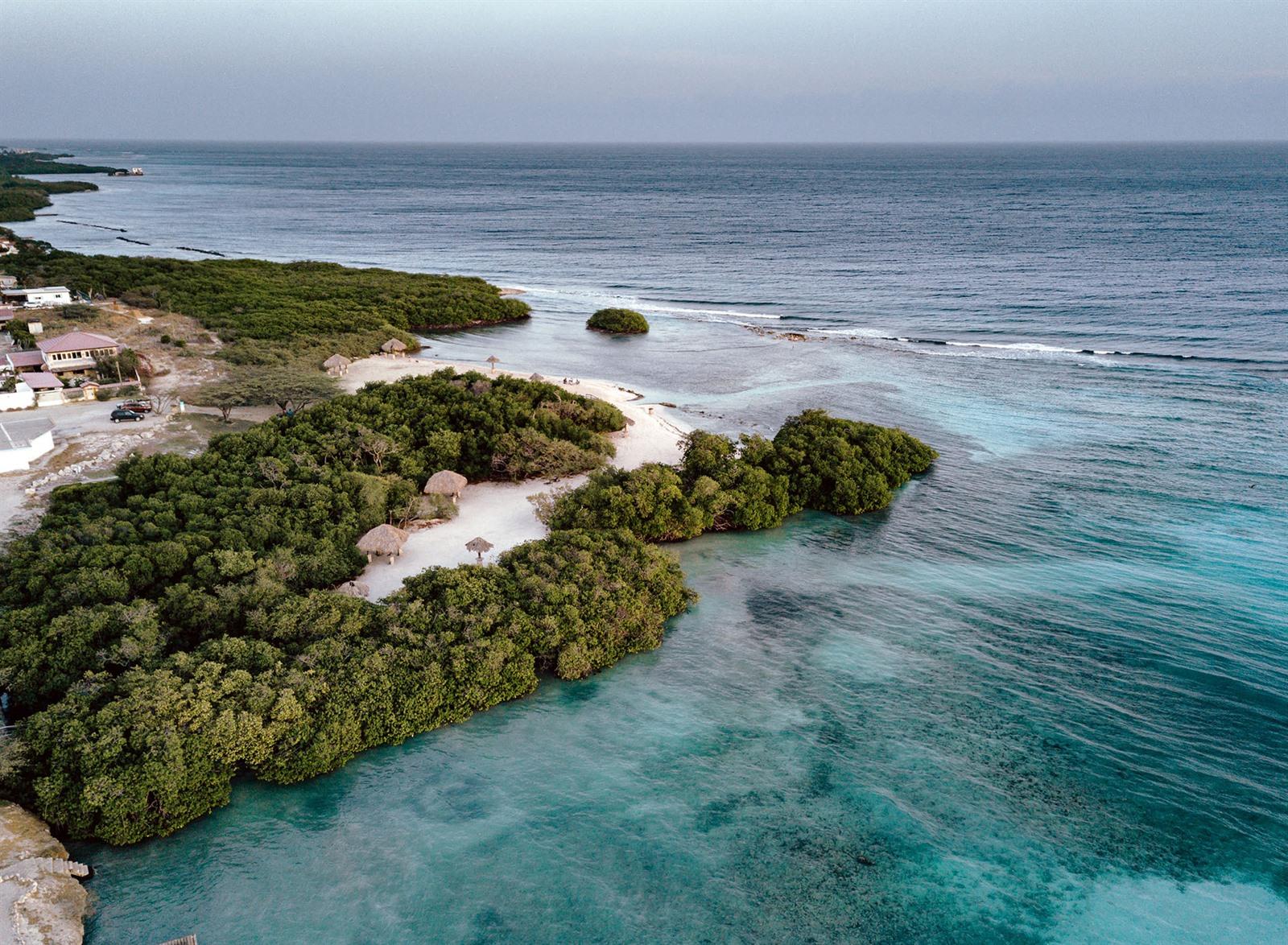
Mangel Halto
This area features a complex network of mangroves and a reef drop-off accessible from the shore.
Enter the water from the wooden stairs at the edge.
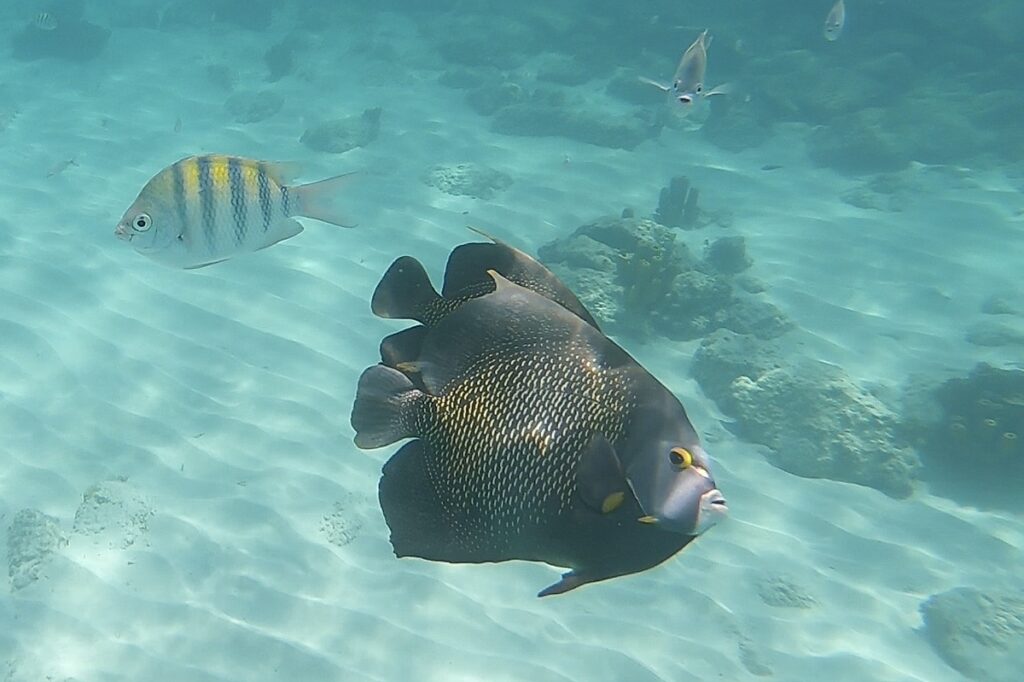
Boca Catalina
A secluded bay known for its accessibility and clear water, frequently visited by sea turtles.
Swim toward the deeper center for better coral health.
Visitor Hours for When Is Aruba Good for Snorkeling
The facilities supporting snorkeling excursions in the Palm Beach area operate on a consistent daily schedule throughout the week.
| Monday | 09:00–18:00 | |
|---|---|---|
| Tuesday | 09:00–18:00 | |
| Wednesday | 09:00–18:00 | |
| Thursday | 09:00–18:00 | |
| Friday | 09:00–18:00 | |
| Saturday | 09:00–18:00 | |
| Sunday | 09:00–18:00 |
Is Aruba Good for Snorkeling on a Budget? Fee Information
Accessing Aruba's beaches for snorkeling is free of charge. Costs only apply if you choose to book private sailing tours or boat excursions.
A typical visitor pays 0 USD for beach access, with total costs only increasing if you select a private sailing tour.
Navigating to Where Is Aruba Good for Snorkeling
Palm Beach serves as the primary hub for accessing Aruba's snorkeling waters, with most departure points located along the main coastal road. Travelers can reach the area via public transportation, private vehicle, or taxi services.
Arubus line 10 to Palm Beach stop
Direct transfer to Palm Beach, Noord
Route 1b North toward Noord, parking at Palm Beach
Departure from Palm Beach piers for offshore sites
Preparing for Your Trip: Is Aruba Good for Snorkeling?
Aruba's reefs reward prepared snorkelers with clear water and abundant marine life.
-
Book your catamaran tour in advance — Popular operators fill early, especially during peak season.
-
Pack reef-safe sunscreen (biodegradable) — Aruba's marine parks require non-toxic formulas to protect coral.
-
Bring an underwater camera or GoPro — Visibility often exceeds 100 feet, ideal for photography.
-
Confirm gear is included with your operator — Most tours provide masks, fins, and snorkels; verify beforehand.
-
Wear a rash guard or wetsuit — Protection from sun and jellyfish in open water.
-
Check weather and sea conditions the day before — Afternoon trade winds can reduce visibility and comfort.
Check availability
Frequently asked questions about snorkeling in Aruba
Everything you need to know about is aruba good for snorkeling